Pain au Levain
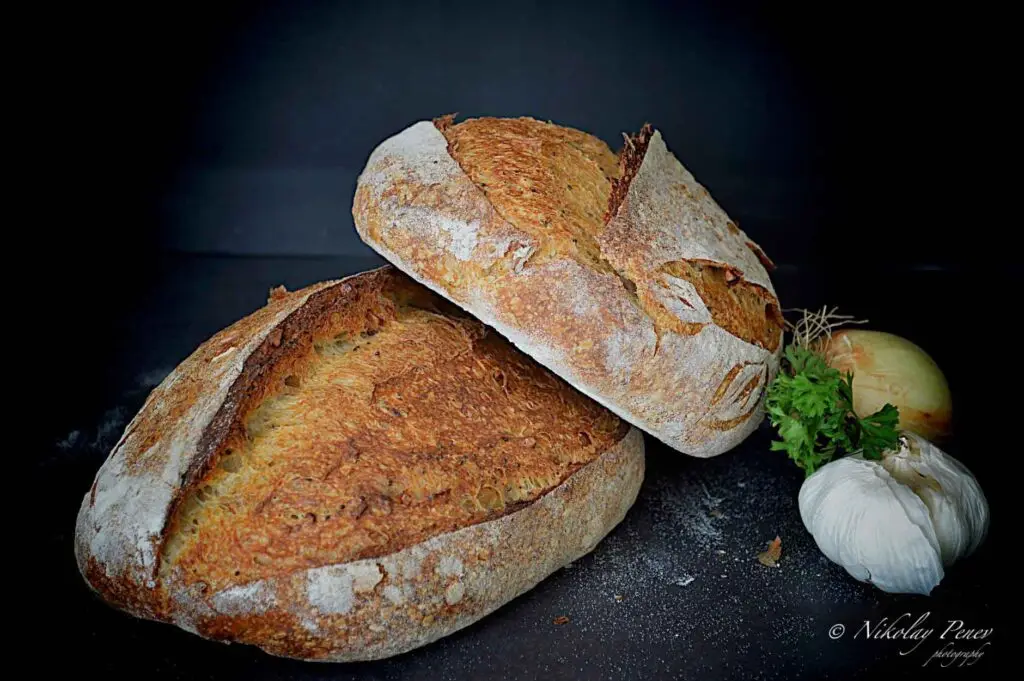
Pain au Levain
Classic Sourdough Bread
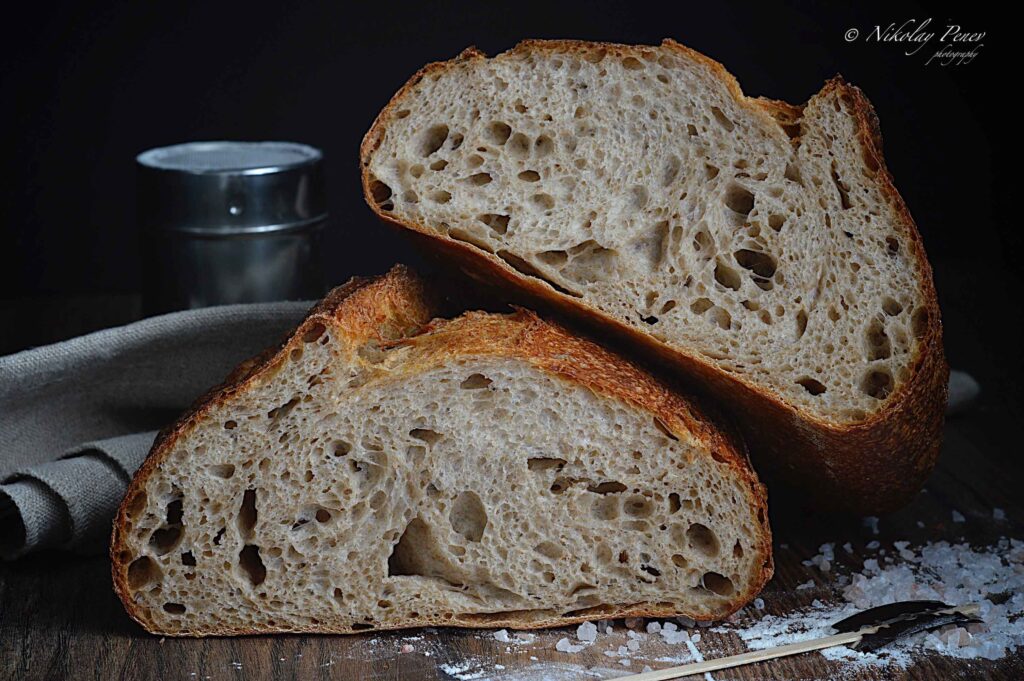
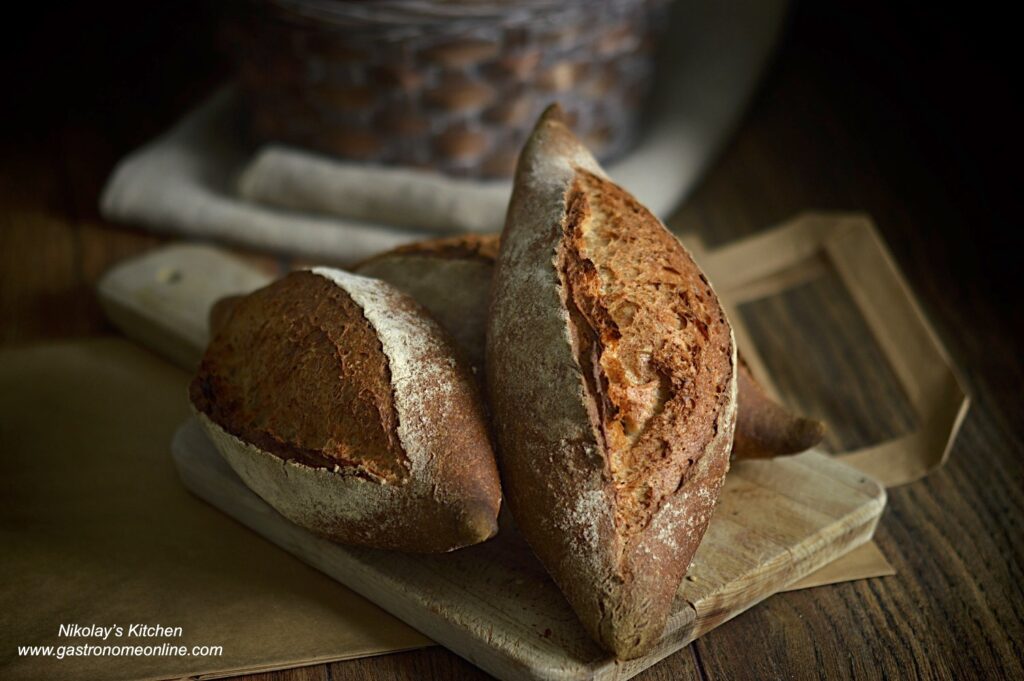
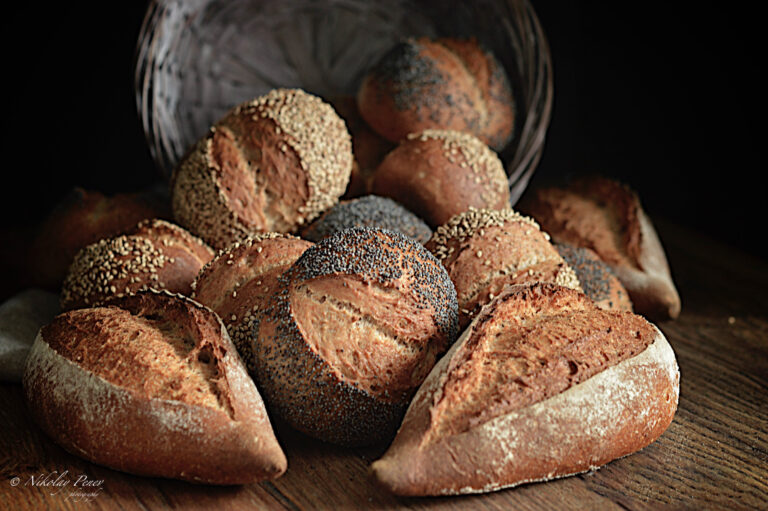
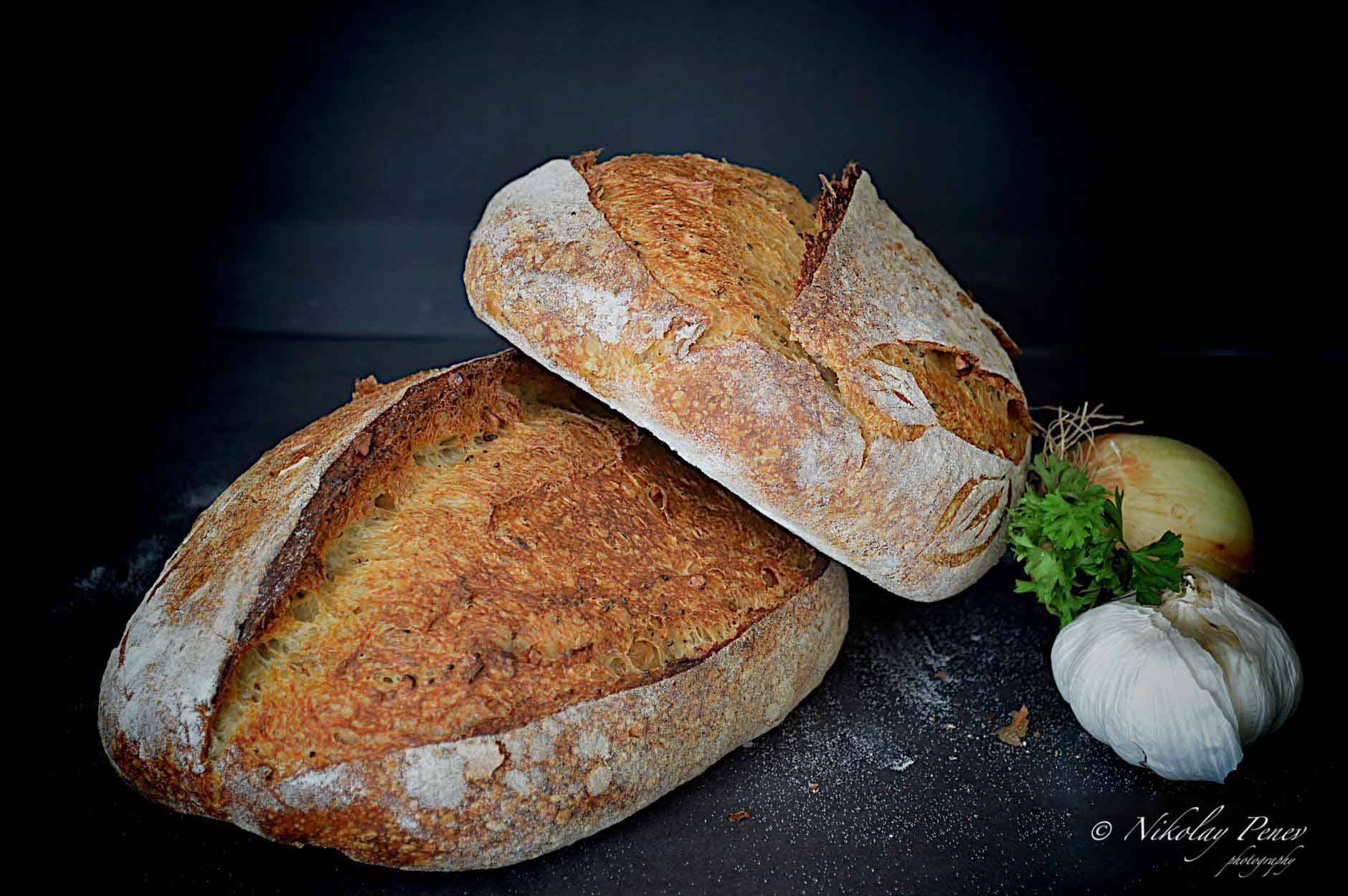
Pain au Levain is French bread made from a sourdough starter. It is usually round or oblong and has a very delicate taste. The acidity helps retain moisture in the bread, keeping it fresh longer than breads made with yeast.
SERVINGS: 2 Loafs
Ingredients
- Refreshing Starter
- 52 g Sourdough Starter
- 68 g White Flour
- 40 g Water
- 160 g Total
- Levain
- 80 g Refreshed Starter
- 88 g White Flour
- 8 g Rye Flour
- 63 g Water
- 233 g Total
- Main Dough
- 828 g White Flour
- 42 g Rye Flour
- 652 g Water
- 233 g Levain
- 18 g Salt
Instructions
- 1. Refresh the StarterMix all the ingredients and knead by hand or with a mixer for 10 minutes. Cover and let the starter rest at room temperature (25–26 °C) until its volume triples, about 5–6 hours. 2. Levain Mix all the ingredients and knead by hand or with a mixer for 10 minutes. Cover and let the levain rest at room temperature (25–26 °C) until its volume triples, about 5–6 hours. 3. Main Dough Mix the water, white flour, and rye flour, then knead by hand or with a mixer for about 5 minutes. Let the dough rest for 30 minutes (autolyse). Add the levain (pre-mix) and knead by hand or with a mixer until a smooth and elastic dough forms. Add the salt and mix for another 2–3 minutes. Cover the dough and let it bulk ferment for about 2–3 hours. During this time, perform two stretch-and-folds every 30 minutes. The dough should double in volume. 4. Shaping Once the dough has doubled in volume, place it on a lightly floured work surface. Divide the dough into two equal portions and shape them into balls. Let them rest for 30 minutes (bench rest). Shape the dough into two oblong loaves and place them seam side up in proofing baskets. 5. Final Proof: Let the loaves rise at room temperature for about 4 hours, or cold-proof in the refrigerator for 12–16 hours. The dough should triple in volume. 6. Baking: Preheat the oven to 237 °C. Bake with steam or in a covered cast-iron pot for 30 minutes. Then reduce the temperature to 200 °C, remove the steam or lid, and continue baking until the bread is golden brown. Alternative Baking: If you do not have a cast-iron pot, you can use glass or ceramic cookware. Place the dish in a cold oven and heat it together with the oven to prevent cracking. Transfer the dough into the heated dish on baking paper to prevent sticking. Recipe Notes: For this recipe, white flour type 650 and rye flour type 1150 were used.